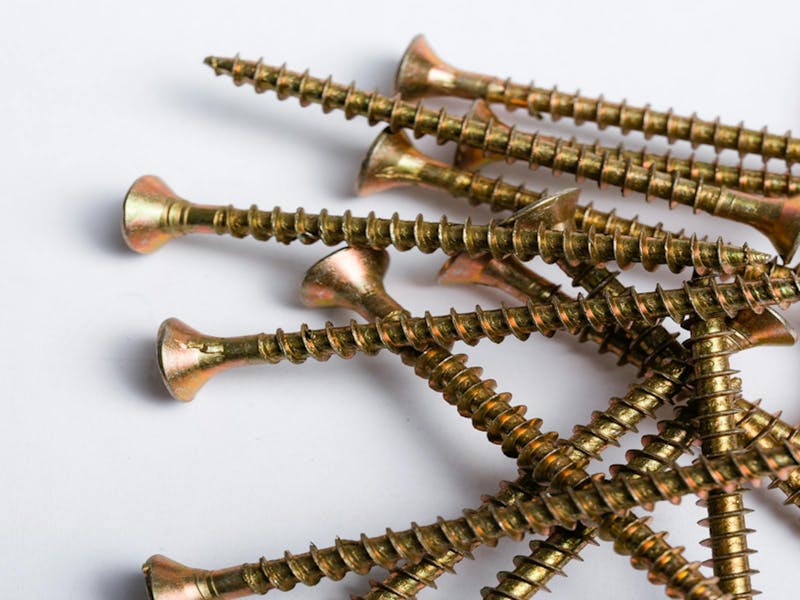
What are wood screws?
Wood screws join wood to wood or fix hardware to wood, featuring sharp threads that provide a strong, secure hold. Commonly used for applications including outdoor sheds, fencing, and furniture assembly, wood screws come in various head shapes such as countersunk or oval for different project requirements.
What are decking screws?
Decking screws secure decking boards to timber joists and lay flat against the deck surface, making them ideal for outdoor decking projects. Built to withstand harsh weather conditions, decking screws are often manufactured from corrosion resistant materials like stainless steel, ensuring long-lasting performance and an even finish on the deck boards.
What are drywall screws?
Drywall screws secure plasterboard to wood or metal studs, featuring coarse and fine thread types and a bugle head. They are ideal for interior wall and ceiling applications, creating a flush finish, long-lasting hold, and ensuring structural integrity.
What are countersunk screws?
Countersunk screws sit flush within the surface of materials and feature a conical head, removing snagging hazards for a smooth, professional look. Ideal for timber and construction applications, they are easy to install and enhance safety.
What are coach screws?
Coach screws are able to support heavy loads in wood, metal, and masonry applications. These fasteners feature heavy-duty construction, making them ideal for exterior landscaping projects, maintaining strength and performance under harsh weather conditions.
What are machine screws?
Machine screws are used in metal-to-metal applications, providing secure long-term fixings. Commonly used in machinery and electronics, machine screws feature precision-engineered threads for easy installation and long-lasting reliability.
What are self-tapping screws?
Self-tapping screws eliminate the need for pre-tapping and cut their own threads into materials, making them ideal for metal, plastic, and wood applications. These screws are popular due to their fast installation and secure, long-lasting fixings for materials where only one side is accessible.
What are security screws?
Security screws feature specialised drive heads that need specific tools to be removed instead of standard screwdrivers. Protecting against unauthorised access and theft, they are ideal for securing fixtures and fittings in public or high-security applications.
What are window screws and packers?
Window screws and packers are used in window installations, ensuring smooth operation and preventing frame distortion. Window packers are used to fill gaps between the window frame and opening, and window screws fasten the frame to the wall. They are essential components of successful window installations.
What are concrete screws?
Concrete screws provide anchor-free fixing into masonry, often used to secure timber or uPVC frames into concrete, brick, or stone. Featuring deep threads and high-strength hardened steel construction without the need for plugs or anchors, concrete screws are ideal for providing long-lasting fastening in medium to high-load applications.
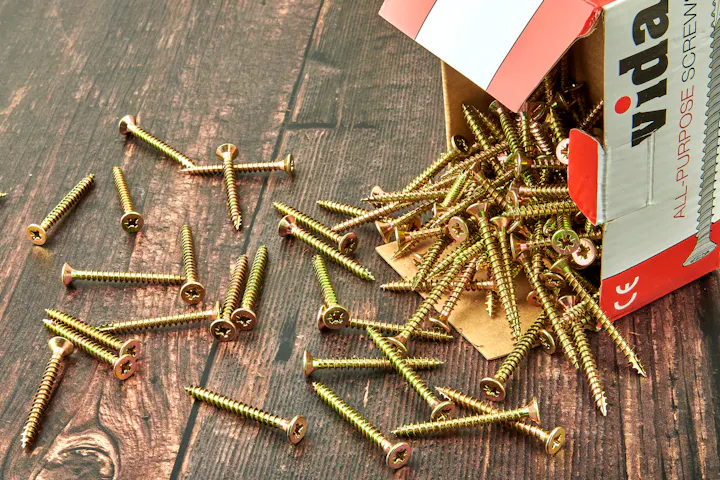
What screw head do I need?
Choose a screw head based on the material being fixed, the load and finish requirements, the head and thread type, and the environment of the project. The most common screw heads include:
Countersunk head: these screw heads are designed to sit flush within the material surface, making them ideal for timber and joinery applications where a flush or concealed finish is required.
Hex head: these screw heads are larger and more robust, suiting heavier-duty applications, including structural timber, construction, and landscaping projects.
Button head: these screw heads are low-profile, featuring a rounded top that sits proud of the surface, providing a clean finish in furniture, metal brackets, and other visible fixings.
Pan head: these screw heads feature a slightly rounded, flat-bearing surface, providing secure surface contact for metal-to-metal and hardware applications.
What screw considerations do I need to make?
When purchasing screws, consider the material being fixed, the required size and thread type, head style, and environmental conditions to ensure you choose the right option.
Softer materials are likely to require coarse-threaded screws that provide improved holding power, and heavy-duty materials require larger, stronger screws that are designed to withstand higher loads. Outdoor projects are likely to require corrosion-resistant screws such as stainless steel to ensure long-lasting performance and durability. Making all of these considerations ensures you pick the correct screw for maximum performance.
The next steps for selecting the right screw
You are now aware of the importance of selecting the right screw for your project and the range of options that are available to meet your needs. By understanding the functions and common applications of these screw types, the next step is to make an informed decision and begin your project. At IronmongeryDirect, we are backed by the knowledge and experience to supply high-quality screws for successful installations.
FAQs
Can you use stainless steel screws in aluminium?
Yes, you can use stainless steel screws in aluminium. When doing so, it’s important to use the proper grade of stainless steel and complete a safe, successful installation. Applying barrier coatings to isolate the metals will help to prevent galvanic corrosion, which can be caused when stainless steel and aluminium come into contact.
How can you unscrew a stripped screw?
To unscrew a stripped screw, you can either place a rubber band or duct tape over the head to loosen the screw, try a larger or different style screwdriver, grip it with pliers, or use a screw extractor. These methods will be most effective depending on how stubborn the screw is or how much of it is exposed.
What’s the difference between drywall screws and wood screws?
Drywall screws and wood screws differ in their use and design. Designed for use with drywall sheets, drywall screws secure them to wooden or metal studs and feature a bugle-shaped head. Wood screws typically feature coarse threads to join pieces of wood together and have various head styles for optimal performance.
Can you use masonry screws in wood?
Masonry screws can be used in wood, but this is not recommended and can lead to damage. These screws are specially designed for masonry applications and so the better alternative is to use wood screws, which are more suitable and designed for this application.
Do stainless steel screws rust?
Stainless steel screws are not completely resistant to rust, but are highly corrosion resistant, maintaining long-lasting performance in indoor and outdoor applications.
Can you screw into wood filler?
Yes, you can screw into wood filler, but the type of filler and application will have an effect on the holding performance of the fixing. When doing so, ensure you follow correct techniques, allowing for proper curing, drilling a pilot hole, and avoiding over-tightening.
How do you screw into wood?
To screw into wood, start by choosing the right screw for your wood type, drill a pilot hole, lubricate the screw (especially if it’s a hardwood application), and drive the screw, avoiding overtightening for a secure fit.
What are the types of screws available?
There are various types of screws, including wood, decking, drywall, and coach screws. The screw type needed for your project will depend on the material being fixed, load requirements, environment of the project, and finish required.
What types of screws are best for outdoor use?
The best types of screws for outdoor use include stainless steel, coated screws, and galvanised screws. Using corrosion-resistant, high-quality screws for outdoor applications will ensure your fixtures withstand harsh weather conditions for long-lasting performance.