Over 1,700 prices just dropped - grab what you need for less today! Shop Now.
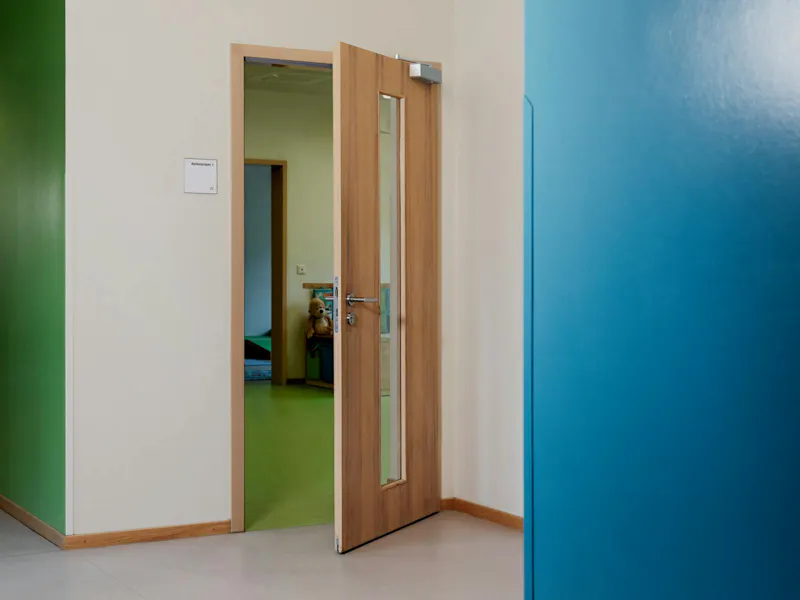
When installing or repairing a fire door, the most important thing to remember is this: a fire door is a life safety product, so always seek expert advice if you are unsure.
Beyond that, there are a number of things to keep in mind. For example, you will need to consider the type of door you are working with, the amount of traffic it will experience, and standards including the Equality Act and BS 8300 for accessibility. Critically for all hardware you must check it carries the right certification and has been tested appropriately for use with the fire door in question.
Here’s a guide to some of the main product areas, along with a few key things to look out for when dealing with them.
All fire doors must be fitted with an appropriately CE marked (or UKCA marked from 1st Jan 2023) and fire-rated door closer, and this fire rating must correspond to the rating for the fire door. I.e. If it is a 60-minute timber fire door, then the door closer must be tested to FD60 for timber doors. The correct power size and fitting position must also be selected.
It's vital to check whether the door closer is fire compliant in the configuration the customer wishes to install it. Very often, you will find that manufacturers do not make it clear that the product can only achieve the required standard when installed in certain configurations. This can leave you thinking you have installed the door closer correctly when you haven’t.
It’s also important to ask whether the door needs to be held open at certain times. If it does, make sure to use either an electromagnetic closer or an acoustic release. Never use anything that would prevent the closing of the door in the event of a fire.
When repairing, refurbishing, or maintaining a fire door, open the door to approximately 5-10 degrees and check that it fully closes, engaging any latch or seal. If it fails to close, then the door closer is no longer operating as it should. On the other hand, if it slams shut, this could equally indicate an issue. Also test the closing speed: a useful tip from us, it should take approximately five seconds from a 90-degree angle.
The key with hinges is to consider the weight of the door and its intended use, as this will help with the selection of an appropriately graded, CE/UKCA-marked hinge.
Over time, gravity will work on all hinges and cause the door to drop. This is especially serious on a fire door, and means the hinges need replacing urgently. Even if the door isn’t dropping, look out for visible signs of wear and tear on the hinges, such as black marks around the hinge knuckle. These can indicate impending failure, so again mean the hinges need replacing.
Finally, always check the manufacturer’s instructions and use the correct intumescent material.
To maximise their effectiveness, intumescent seals should be installed in one continuous length around the door. It is essential that they are correctly installed. Make sure the strip fits the full length of the door and is secure in the groove, otherwise the seal will be redundant.
When repairing, refurbishing, or maintaining a fire door, look out for intumescent seals that are badly fitted, damaged, or painted, as all of these can compromise the seal’s effectiveness. In such cases, replace the seal with a new one of exactly the same size and intumescent material that was originally specified.
Locks and latches must be CE/UKCA-marked and comply with EN 12209. Remember, too, that if you need to cut into the door to install a mortice lock, morticing can cause locks and latches to no longer meet the demands of fire door safety. To protect against this, use an appropriate intumescent kit made from an ultra-thin and flexible graphite material. This will allow for high levels of expansion and insulation, preventing heat transfer on ironmongery rebated into timber fire doorsets.
To achieve a quick and safe exit from a building in the event of a fire, panic and emergency exit hardware is essential. There are several building regulation standards in place relating to exit hardware. These include EN 179 Emergency Exit, for when the building occupants are aware of the building environment; and EN 1125 Panic Exit, for environments used by the general public.
When choosing the right escape exit hardware for your project, question whether the door is in a busy or public area; what material the door is made from; whether it is a single or a double door; and whether entry into the building is required through this door. These answers will guide you to the best panic exit hardware solutions.
Finally, we come to the door itself. Look out for any damage that could stop the door from closing correctly around all parts of the frame. The gap around the door frame should be consistent – approximately 3-4mm all the way round (a pound coin is ideal to check this). Also check for any screw or drill holes, as these could invalidate the door’s performance rating.
Installation of the door should be done by an experienced person. In addition, regular inspections are becoming a mandatory requirement, so if you manage a facility, make sure you have a robust inspection programme in place.
This has been a short guide to just some of things to look out for when working with fire door hardware, but again, remember this above all else: whenever you are unsure, always seek expert advice. Nothing is more important than people’s safety. You’ve got enough to think about without having to worry that your work could jeopardise it in any way.
ASSA ABLOY is the master brand for over 190 brands in the Door Hardware industry, to find out more about the Union brand by ASSA ABLOY, take a look at the range here.