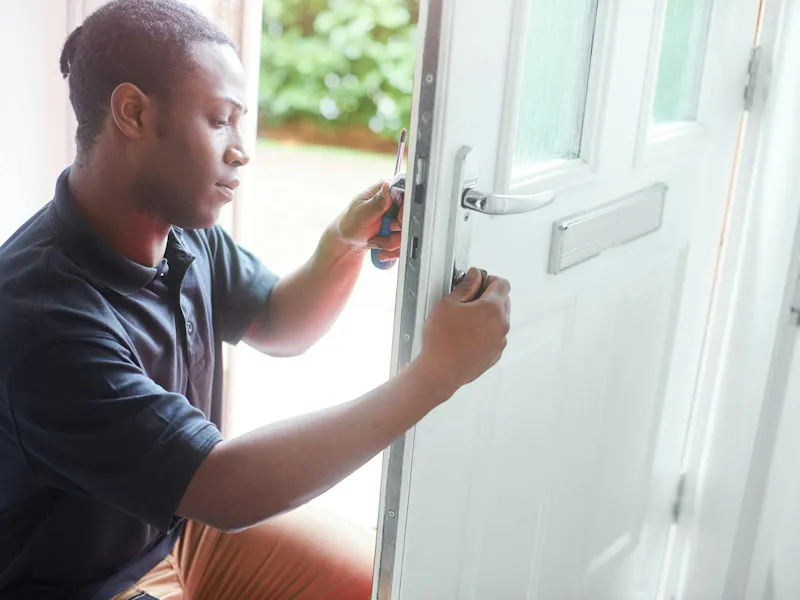
Why is winter-proofing uPVC doors important?
Doors play an incredibly important role in winter, keeping you warm and protected while enhancing security at a time of year where evenings draw in earlier. Taking the proper measures to winter-proof your uPVC door is essential to keep you safe and secure at this time of year.
Why uPVC Doors Struggle in Cold Weather
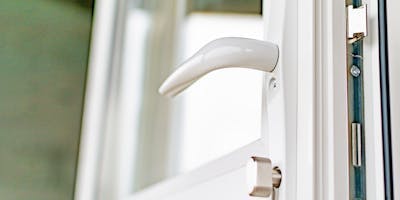
uPVC doors are popular due to their durable and low-maintenance design, but they can struggle in cold weather if not properly maintained. This is due to their frame slightly shrinking when the temperature drops, which can cause difficulty operating the door lock and draughts forming around seals. Also, the cold can cause the rubber seals around the door to harden, causing minor gaps to form.
Signs Your uPVC Door Needs Winter-Proofing
Knowing the signs to look out for will help you to decide if your uPVC door is in need of winter-proofing. These include:
- Difficulty opening or closing – Check if the door feels tight or sticks when operating it.
- Stiff locks and handles – If you experience difficulty turning or engaging your locks and handles, this is a sign they need lubricating.
- Condensation – A moisture build-up can lead to freezing and sticking, meaning the door is harder to use in cold weather.
Step-by-step guide to winter-proofing your uPVC door
Following our steps will enable you to properly winter-proof your uPVC door, without missing any important details, meaning you’re fully prepared to keep your home warm and secure throughout the winter.
Step 1: Inspect the Door and Frame
Start by checking for gaps, draughts, and misaligned seals before starting any work. This will help you understand what elements of your uPVC door are in need of TLC. Also, check if seals are worn, as these will need to be targeted to prevent heat loss and cold air from entering your home.
Step 2: Clean and Prepare the Surfaces
The next step after inspection is to remove any dirt, dust, and debris from the door, hinges, and seals. This will ensure areas are free from anything that would interfere with the sealing process.
Step 3: Lubricate Hinges and Locking Mechanisms
Once your targeted areas are ready, apply silicone or graphite lubricant to prevent stiffness and freezing. This can happen from the effects of cold weather, so its essential to take these measures to prevent long-term damage and ensure your door operates smoothly.
Step 4: Seal and Insulate the Edges
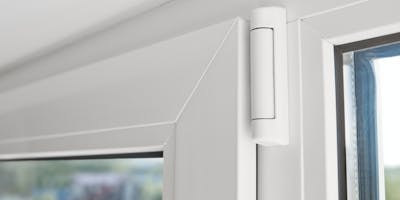
After lubricating the areas in need of maintenance, ensure you replace or repair any damaged rubber seals and apply draught-proofing strips where needed. This will create a tighter seal and reduce heat loss.
Step 5: Test and Adjust for a Perfect Fit
Lastly, spend some time opening and closing the door, testing it to ensure it's properly aligned with the frame. You should also adjust any hinges that require it and ensure the door forms a tight, weatherproof seal.
Discover uPVC doors at IronmongeryDirect
You’re now aware of how to winter-proof your uPVC door, as well as the signs to look out for to inform you it needs maintenance. All that’s left to do now is to begin the process, using high-quality lubricants, sealants, and weather-proofing products. Explore our selection of reliable seals, hinges, and lubricants at IronmongeryDirect.
FAQS
What is a uPVC door?
A uPVC door is a door made from unplasticised polyvinyl chloride and a steel core or internal reinforcement, which provides insulation and weather resistance. These doors are popular in entrances and patios, due to their durability and ease of use.
What is the lifespan of a uPVC door?
The lifespan of a uPVC door depends on the particular type you have, as well as the maintenance carried out throughout the years. Generally speaking a uPVC door can last 20 to 25 years, if not more depending on quality and care. Taking steps to regularly clean and lubricate your door will ensure it lasts longer.
How do you lubricate a uPVC door mechanism?
Lubricating a uPVC door mechanism is essential when winter-proofing your door, to ensure the locks and handles operate smoothly. Do this by applying a small amount of silicone-based graphite lubricant to the keyhole, latch, and moving parts of the lock. Operate the handle multiple times to spread the lubricant evenly.
Can you use WD40 on uPVC doors?
While WD40 is a great general-purpose lubricant that can be very useful for a lot of projects, it’s not recommended on uPVC doors. We recommend using a silicone-based spray or graphite lubricant on locks and hinges, and applying a light coat of silicone spray or petroleum jelly to the rubber seals.
How do I stop my uPVC door hinges from squeaking?
A squeaking uPVC door can be frustrating; to get rid of this noise, it’s essential to lubricate your hinges. Use a high-quality silicone lubricate to reduce friction and protect the hinges from rust and wear.
How do I adjust uPVC door hinges for winter?
Adjusting uPVC hinges is essential to avoid misalignment and difficulty operating the door. We recommend using a screwdriver to make small adjustments to the hinge screws. Do this until the door sits evenly in the frame and seals tightly without dragging or sticking.
How do you draught proof a uPVC door?
Draught proofing your uPVC door is a necessary step to improve comfort and energy efficiency. Check for worn or damaged seals and replace them and ensure the door fits properly within the frame to prevent cold air from entering.
Can cold weather damage uPVC doors?
Cold weather can have an impact on uPVC doors, causing stiff locks and handles, and difficulty operating the door. Therefore, its essential to take proper measures to weather-proof these doors so they operate properly during the colder months.