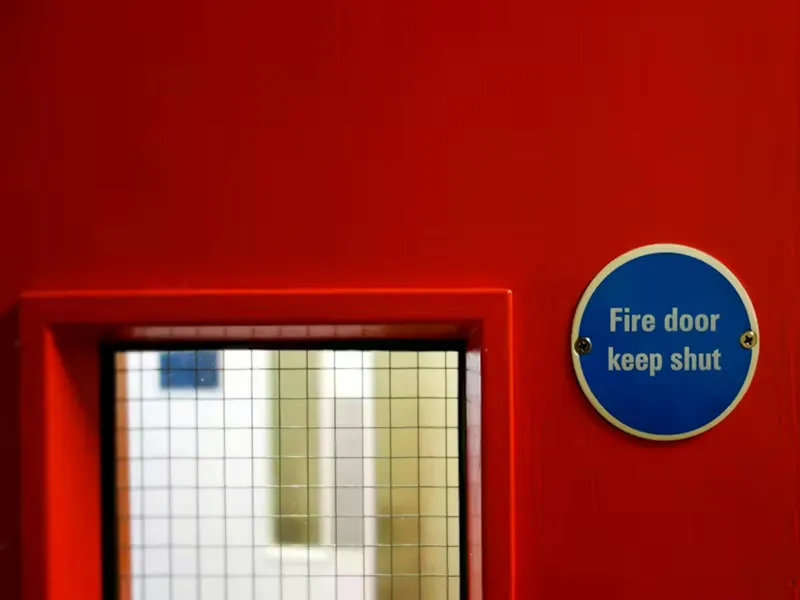
Reason 1: Enhancing Fire Safety
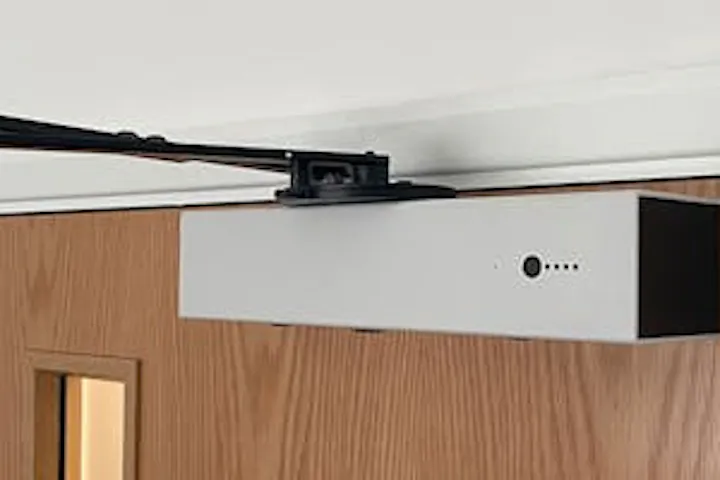
Door closers and fire door hinges are essential components of a compliant fire door system, automatically closing after use and containing fire and smoke. This prevents doors from being left open accidentally, which can cause flames to spread between rooms, and gives occupants more time to evacuate safely. High-quality, reliable fire door closers, usually fitted with a self-closing device, also ensure compliance with UK fire safety regulations. Ensure your closers, whether surface-mounted or concealed, are regularly inspected and maintained. Worn, damaged, or misaligned closers can stop doors from closing fully, and therefore compromise fire safety.
Reason 2: Preventing Smoke Spread
Closed fire doors play a huge role in preventing smoke spread, which can be hugely damaging to both people and property. This is why it's essential for fire doors to remain shut, as even small gaps can allow smoke to spread rapidly. By closing fire doors and ensuring they’re properly sealed within the fire door frame with intumescent strips and smoke seals, smoke movement is slowed. This helps block gaps that would otherwise let smoke through and allows extra time for safe evacuation, helping to prevent the inhalation of smoke and toxic fumes.
Reason 3: Protecting Escape Routes
Fire doors should be kept closed at all times to protect escape routes. This ensures they remain smoke-free and accessible in the event of an emergency. The protection of escape routes allows occupants to make their way out of the building safely and efficiently, preventing serious injuries and smoke inhalation. If fire doors are not closed, heat, flames, and toxic smoke can cut off exit paths. Investing in clear and proper signage as well as routine inspections and staff awareness training supports overall fire safety compliance and reduces the risk of compromised exits.
Reason 4: Compliance with Regulations
Keeping fire doors closed ensures compliance with fire door regulations, which is essential for a safe and compliant building. UK law requires fire doors to remain closed and be properly maintained, and the specific requirements vary depending on the type of building. Make sure you’re aware of fire door regulations and the best practices to ensure you abide by them. The consequences of non-compliant fire doors can include legal penalties or fines, as well as prosecution in serious cases. But most importantly, if fire doors are not kept closed and therefore aren’t compliant, lives can be lost. Ensure proper maintenance and checks are carried out, and all fire doors are kept closed to maximise safety and compliance.
Reason 5: Real-world Case Studies
Learning of real-life instances where the lack of a closed fire door has caused serious incidents, can reinforce the importance of this fire door safety practice. The infamous Grenfell Tower fire, for example, highlighted just how important proper functioning, self-closing fire doors are to prevent smoke spread between flats. The lessons learned from these stories should highlight that closed fire doors save lives, and regular maintenance, testing, and education is essential to ensure your fire doors perform as intended. Many serious incidents would have been a lot less severe if door closers were working correctly or if fire doors had not been propped open instead of closed. Investing in clear inspection schedules and staff awareness training emphasises to occupants that closed fire doors are critical for containing fire and escaping safely.
The Importance of Fire Door Maintenance
Fire door maintenance works hand in hand with keeping fire doors closed to ensure compliance standards are met. Performing regular fire door maintenance checks ensures fire door hinges, seals, and closers all function as they should, containing smoke and flames. If a fire door doesn’t close properly or has damaged seals, it is therefore a safety hazard and will likely fail to protect people and property in the event of a fire and should be repaired or replaced. Maintenance should be carried out monthly or quarterly in high-traffic buildings to check for worn seals, poorly aligned closers, or doors that have been wedged open. These issues can hugely compromise fire resistance and if detected, any found should be documented to demonstrate regulatory compliance.
Discover Fire Doors at IronmongeryDirect
You’re now aware of why fire doors should be kept closed, and the importance of completing regular maintenance to ensure compliance. All that’s left to do now is to put this knowledge into practice, complete the necessary checks, and invest in new doors if necessary. Discover high-quality internal fire doors at IronmongeryDirect to enhance safety and compliance today.
FAQS
Is it illegal to put a lock on a fire door?
No, it’s not illegal to put a lock on a fire door, but the lock must not prevent quick escape in an emergency. If a fire door on an escape route is fitted with a lock or latch, it must be suitably fire-rated or certified and be able to be opened from the inside without a key. If a lock compromises the self-closing mechanism or the door’s fire integrity, then it should not be used.
How often should fire doors be replaced?
The amount of time recommended for a fire door to be replaced is dependent on its condition and performance. If a fire door is damaged, warped, or has excessive gaps, then a replacement is necessary. Ensure you carry out regular inspections every 6 months, or 3 months in high-traffic areas, to identify when a replacement is needed.
Why should fire doors not be kept open?
Fire doors should not be kept open to avoid smoke and flames spreading in the event of a fire. By keeping them closed, you’re ensuring compliance, maintaining clear escape routes, and protecting lives and property. If doors are needed for open access, use an approved hold-open device that automatically releases when the fire alarm sounds.
Is it illegal to not have fire doors?
Most commercial and multi-occupancy residential buildings are legally required to have fire doors. The Fire Safety Order and Building Regulations put these regulations in place. Domestic single-occupancy houses don’t usually require fire doors, but integral garages and loft conversions often do.
What does FD30 mean on a fire door?
FD30 fire doors are rated to withstand fire for 30 minutes. They are the most common rating, alongside FD60 fire doors, which withstand fire for 60 minutes. FD30 fire doors are ideal for homes and internal rooms, and FD60 fire doors are perfect for commercial or industrial settings. Fire ratings cover the complete door set, including the door, frame, seals, hinges, and hardware.
Can you get Oak fire doors?
Yes, oak fire doors are a popular choice for both traditional and modern interiors. They offer a blend of compliant and aesthetic appeal and are available BS 476-22 / EN 1634-1 certified. Explore our selection of high-quality oak fire doors for a timeless addition to your space.
Do fire doors need special hinges?
Yes, fire doors hinges must be CE-marked / UKCA-marked and be able to withstand heat and weight. There are typically three hinges required per fire door, all of which must be certified to comply with the door’s fire rating.
What’s the difference between fire doors and fire exits?
Fire doors and fire exits are both designed to enhance safety but differ in purpose. Fire doors contain fire and smoke and are typically fitted inside a building, whereas fire exits provide a direct means of escape and are often fitted with a fire exit push bar, opening easily for a quick escape.