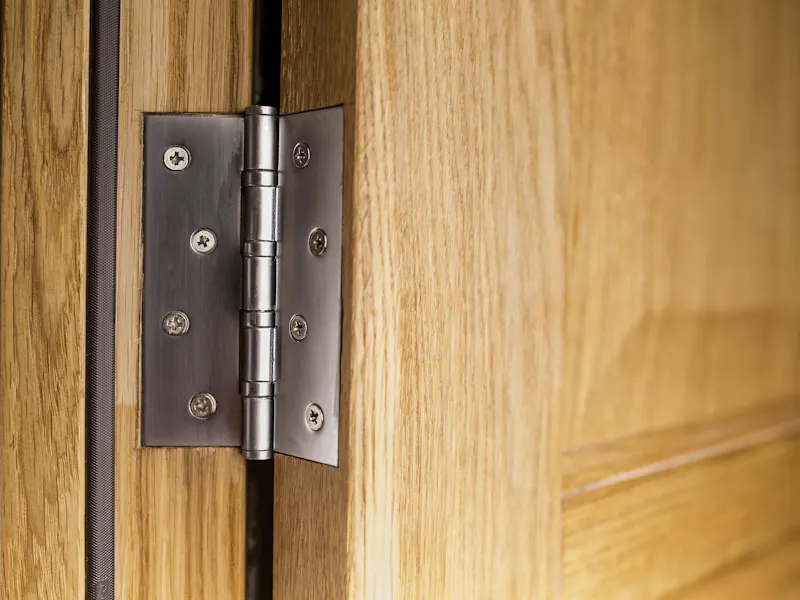
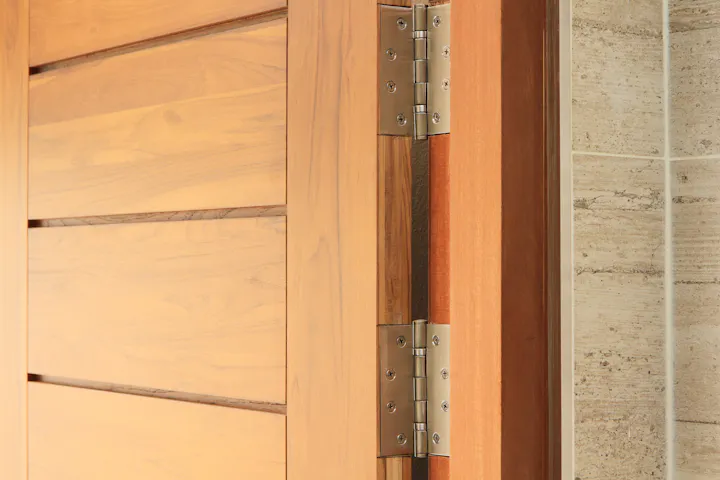
Fire door hinges are specialised hinges designed for fire-rated doors. They are tested to maintain their performance during fire conditions. Hinges on fire doors are built of robust materials, such as stainless steel and brass, maintaining the door’s structural integrity and ensuring compliance with fire safety standards.
A fire door needs at least three hinges that are certified fire-rated to ensure the door's weight is supported and standards like BS EN 1935 are met. Some taller fire doors may need four hinges to maintain stability, but all fire-rated doors require these specialised hinges as standard hinges won’t meet fire safety standards. Fire door hinges must be positioned correctly at the top, middle, and bottom of fire doors and carry CE/fire stamps to ensure compliance.
Fire door hinge regulations require doors to be fitted with at least three certified fire-rated hinges that meet standards like BS EN 1935 and are CE or UKCA marked. The hinges must be correctly installed according to the manufacturer's guidelines, be suitable for the fire rating of the door, and achieve at least Grade 11 or Grade 13, ensuring compliance with UK fire safety regulations.

Fire door hinges are specialised hinges designed to maintain the integrity of fire doors and maximise compliance, whereas standard door hinges support the weight of regular doors, ensuring they operate smoothly.
Fire doors in homes must be at least FD30 rated, fitted with certified hardware, and be properly maintained. Fire doors are often fitted in new build homes, loft conversions, and garages, so it's important that they’re fully functioning and meet all requirements. The correct ironmongery, including at least three hinges, smoke seals, and self-closers must be fitted for maximum compliance.
Yes, fire doors in flats need to be self-closing to help prevent the spread of fire and smoke and ensure escape routes are clear. Flat entrance doors require self-closing devices and internal fire doors within flats may also require self-closers where they form part of a protected escape route.
Fire doors should be maintained regularly by checking door gaps, hinges, seals, and closers are operating properly. Documented inspections, including ensuring the door closes fully and latches properly, provides evidence that fire doors meet fire safety regulations. Aim to do these checks every 6 months or even more often for high-traffic areas.
Common fire door problems include hinges being loose, misaligned, or missing, which can cause the door to not function properly. Mistakes during the installation process, heavy use, or a lack of routine maintenance can all cause these fire door hinge issues. It’s important to carry out regular maintenance to spot fire door hinge wear or faults and make timely adjustments or replacements.
You’re now aware of how many hinges a fire door needs, and the importance of fire door hinge compliance and maintenance. All that’s left to do now is to ensure your fire doors are fitted with the correct number of hinges to meet fire safety regulations. At IronmongeryDirect, we supply tradesmen and DIYers with compliant fire door hinges and hardware to ensure safety standards are met.

Fire doors in UK residential and commercial buildings require at least three hinges. Installing three fully certified fire door hinges helps ensure maximum fire door performance, maintaining the integrity of the door.
A heavy door should typically be fitted with three hinges; regular doors can use standard heavy-duty hinges and fire doors will need specialised fire-rated hinges. The hinges should be positioned at the top, middle, and bottom of the door to keep the door supported and ensure smooth operation. Exceptionally heavy doors may require four hinges to provide additional support.
Yes, fire doors need specialised hinges to meet fire safety regulations, resist extreme heat, and maintain the door’s structural integrity. Using standard hinges on fire doors will compromise compliance and safety in the event of a fire.
All fire doors, including FD30 doors, need a minimum of three certified fire-rated hinges. Fire doors will only be fully compliant and meet UK fire door regulations if they’re fitted with at least three hinges that are properly placed.
Damaged or missing hardware that’s not functioning properly will invalidate a fire door. This reinforces the importance of regular checks to ensure components like seals, hinges, and closers fitted to fire doors are working as they should and are the correct specification. If they are not, this risks the safety of occupants, compromises compliance, and invalidates a fire door's certification.
Yes, a joiner can fit a fire door providing they are doing so properly and safely, so fire door regulations are met. Proper installation of fire doors is essential to ensure they’re fully compliant, preventing the spread of fire and smoke, and ensuring occupants are safe and have full peace of mind.