Black Friday deals NOW LIVE - Shop now
Click & Collect in 1 Hour
From our Basildon Trade Counter.
Order by 9pm for Next Day Delivery
Free weekday delivery available.
Excellent on Trustpilot
Rated 4.5 out of 5.
Over 19,000 Products in Stock
Top trade brands.
Get 10% Off Your First Order
Create an account and opt-in to email.

Get Xtra with TradeXtra
Up to £10k credit, loyalty rewards & more.
Easy Free Returns
Free returns on orders within 28 days

Click & Collect in 1 Hour
From our Basildon Trade Counter.
Order by 9pm for Next Day Delivery
Free weekday delivery available.
Excellent on Trustpilot
Rated 4.5 out of 5.
Over 19,000 Products in Stock
Top trade brands.
Get 10% Off Your First Order
Create an account and opt-in to email.

Get Xtra with TradeXtra
Up to £10k credit, loyalty rewards & more.
Easy Free Returns
Free returns on orders within 28 days

Fire doors and fire door hardware must be manufactured and tested to stringent standards to ensure they operate as intended in the event of a fire. Where required, relevant CE or UKCA markings and a Declaration of Performance (DoP) must be provided. Third-party certification schemes, such as BWF-CERTIFIRE, provide additional assurance.
All hardware fitted to a fire door must be compatible with its tested and certified specification. It's important to always check manufacturer's installation instructions and certification documents.
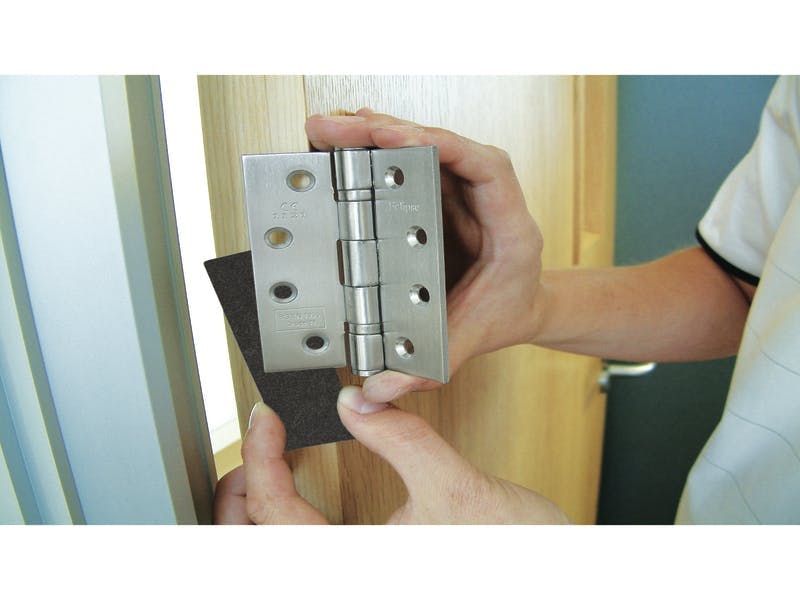
Hinges support the door leaf and allow it to open and close. Hinges should be tested to BS EN 1935 and carry a CE or UKCA mark where required.
Hinges must be specified according to the size, weight, application and fire rating of the fire door. Intumescent pads may also be needed under all hinge blades. It's important to check the door manufacturer's certification and installation instructions.

Fire door closers automatically close doors after use, helping to contain fire and smoke and maintain fire compartmentation. BS EN 1154 specifies requirements and test methods for controlled door closing devices, which return swing doors to a closed position in a controlled manner after being opened manually. Fire doors should generally be fitted with a fire door self-closer to support fire safety performance, although requirements may vary. Fire door self-closers maximise compliance, safety, and accessibility across a range of buildings.
Closers that claim fire resistance must be supported by appropriate testing and assessment to demonstrate compliance with relevant standards. BS EN 1155 specifies requirements and test methods for electrically powered hold-open devices for swing doors, including mechanisms incorporated into door closers. These devices allow fire doors to remain open during normal use before releasing them to close when the electrical supply is interrupted.
Intumescent strips are an important component of many fire door assemblies because of the role they play in preventing the passage of fire and smoke, sealing gaps around fire doors and frames. Having correctly installed intumescent strips fitted on fire doors ensures peace of mind, compliance, and safety. Not every existing fire door will have intumescent strips, but they are an important component of many modern fire door assemblies.
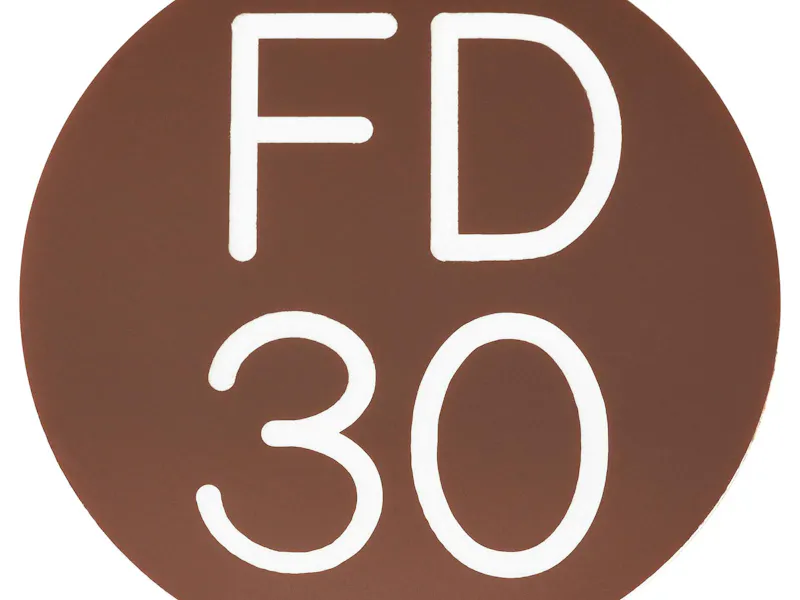
Fire doorsets are classified in accordance with BS EN 13501-2, based on their fire resistance performance.
Some older fire doors were manufactured to earlier standards, meaning they may not originally have been fitted with intumescent strips. Their suitability should be assessed based on their condition, history, and the relevant fire-risk assessment. If you're replacing or upgrading a fire door, always check the manufacturer's certification and installation instructions before selecting or adding intumescent seals.
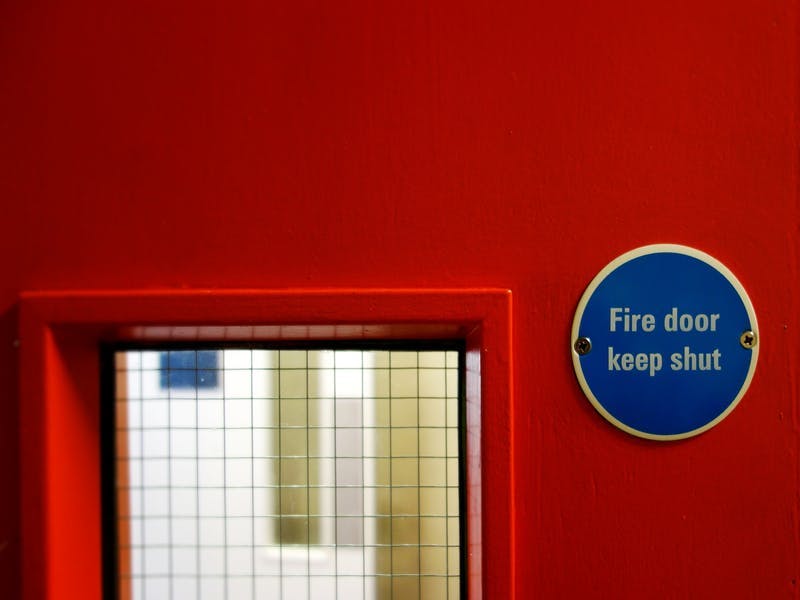
Fire doors should have BS 5499-5 mandatory signs, which are:
1. Fire Door Keep Shut
2. Fire Door Keep Locked
3. Automatic Fire Door Keep Clear
Employers should provide safety signs where a risk assessment shows they are needed.

As part of our continued commitment to raising awareness of fire safety and the correct specification of fire safety solutions, we have produced several reference materials that will help ensure compliance. For more information download our Fire Door Checklist.