How do I choose the right gate hinges?
To choose the right gate hinges, consider the following:
- Gate weight
- Gate size and width
- Frequency of use
- Security requirements
The gate location will also have a big impact on the gate hinge that works best, as lighter-duty hinges are typically suited for smaller, lighter gates that are not used very often. Driveway gates often need heavy duty gate hinges due to them being used more frequently and often being larger and heavier. Adjustable gate hinges are a great addition to gates that are likely to shift over time, as they help prevent sagging and ensure proper alignment.
What are the different types of gate hinges?
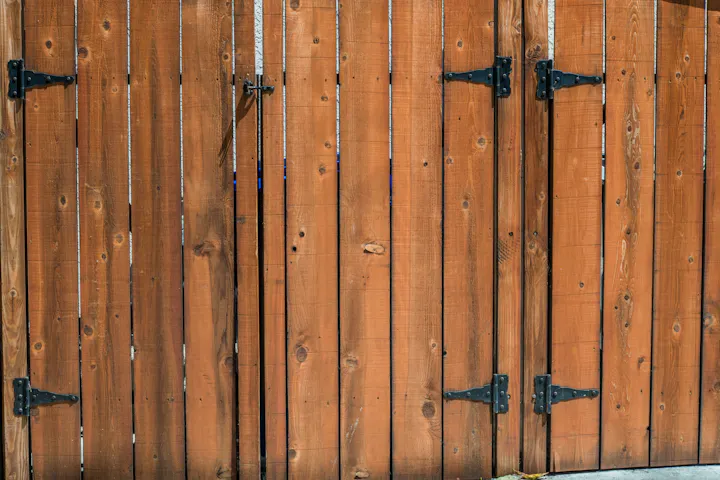
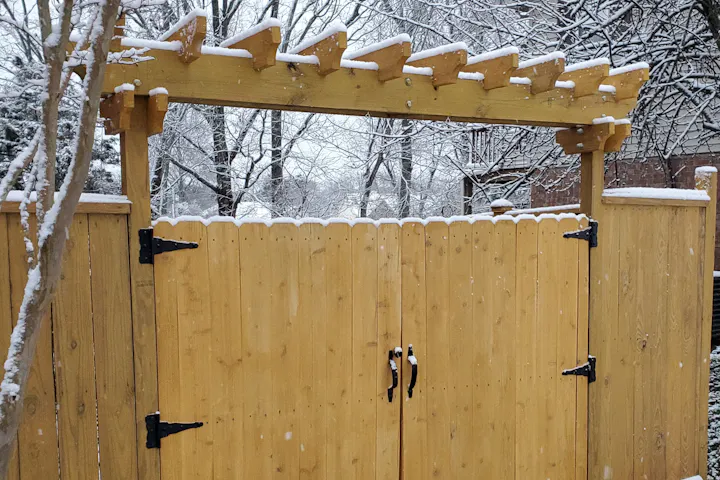
The different types of gate hinges include strap hinges, tee hinges, gudgeon hinges, and adjustable gate hinges. These all differ in their design and load capacity, making them suitable for different gate locations and applications. Strap or tee hinges are commonly used for wooden gates and lighter-duty applications, while heavy duty gate hinges are designed to support larger, heavier gates such as gates in driveways.
How many hinges does a gate need?
A gate typically needs two or three hinges to help prevent sagging and ensure smooth movement. Two hinges are usually required for lightweight gates, including a top hinge and bottom hinge for support. Three hinges are typically used for heavy gates to distribute the weight of the gate evenly. Wide gates and gates used frequently may require additional hinges for extra support.
What size hinges should I use for a wooden gate?
Wooden gates may require anything from medium-duty to heavy-duty hinges depending on size and weight. The width of the gate, its height, and weight should all be considered when deciding what size wooden gate hinges are needed. Wooden gates that are smaller and more lightweight will likely need two medium-sized hinges, whereas gates that are larger and heavier will potentially need three heavy-duty hinges to support them.
What sized hinges are best for heavy gates?
The best sized hinges for heavy gates are larger heavy-duty hinges, including long strap hinges or band and gudgeon hinges. This is because of their strength and load-bearing capacity. These hinges work to evenly distribute the weight of the gate, supporting heavy gates in driveways and high-traffic environments.
Are adjustable gate hinges worth it?
Adjustable gate hinges can be worth it for high-use or outdoor environments, due to their flexibility and easy adjustment. These hinges allow you to fine-tune your gate’s position, meaning gate alignment can be corrected after installation to prevent sagging gates over time. If you have gates in gardens and driveways, adjustable gate hinges are a great option, but for lighter gates, other hinge types, such as strap hinges and tee hinges, are a suitable option.
Next steps for finding the right gate hinge size
You’re now aware of the importance of finding the right gate hinge size, and what sizes are best suited to wooden and heavy gates. All that’s left to do now is to find the perfect hinges to properly secure your gate and ensure smooth movement. At IronmongeryDirect, we’re backed by years of experience supplying our trade and DIY customers with durable hinges to ensure your project is a success.
FAQs
Do gate hinges go inside or outside?
Gate hinges can be installed on either side of a gate, depending on which direction it opens. Hinges on the rear side allow the gate to open inward, whereas hinges installed on the front side allow the gate to open outward.
How do I choose gate hinges?
To choose the right gate hinges, you should consider the location of your gate, as well as its weight and size. This will help you determine the right hinge to suit your application and usage requirements. Heavy duty gate hinges, for example, are best suited to large driveway gates, whereas lighter duty hinges are be more suitable for garden gates or lightweight applications.
What are the common gate hinge problems?
Common gate hinge problems include rust or corrosion, which can occur when hinges are exposed to harsh weather conditions. If gates are sagging, this is likely to be a sign of hinge wear or weak posts. It’s important to regularly check your gate hinges to ensure they’re maintaining their strength. If you notice any problems, performing maintenance such as lubricating hinges and tightening bolts is recommended.
Can you adjust gate hinges?
Yes, adjusting gate hinges works to resolve misalignment and sagging. Different hinges require different adjustment methods, so it’s important to check your hinge type and manufacturer guidance before making any.