The importance of high-quality hinges
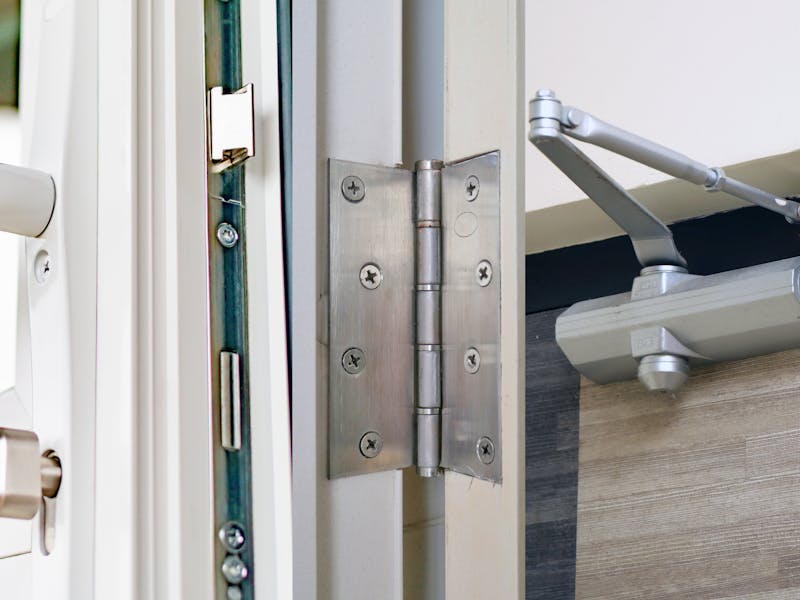
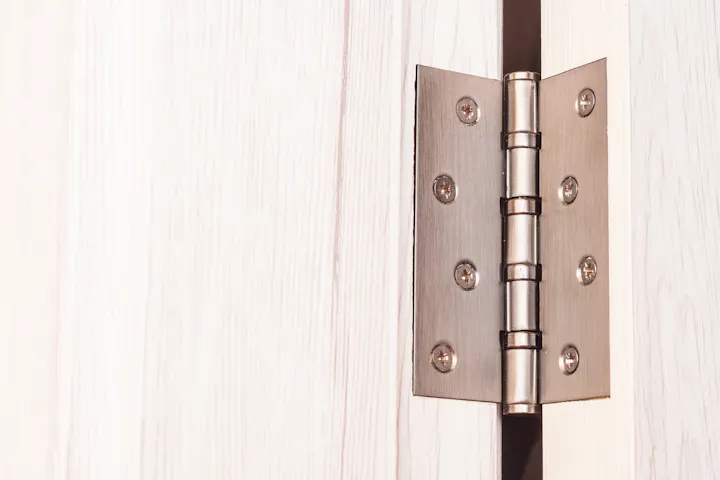
High-quality hinges can have a big impact on door performance. They reduce sagging and alignment issues, and ensure doors operate smoothly. Installing hinges with durable materials, such as brass and stainless steel, will help to prevent wear and ensure long-lasting performance. Depending on your door type, heavy-duty hinges may be necessary. Large doors, or doors in high-traffic areas will need heavy-duty hinges to support them, whereas lighter doors can use standard hinges.
Maintenance guide for internal door hinges
Performing regular maintenance on door hinges is essential to ensure they continue to operate smoothly. Look out for signs of hinge wear, including squeaks, rubbing, sticking, and door dropping, as this will determine if door maintenance is necessary. Before making any adjustments, clean your hinges with a soft cloth so they’re free from dirt. Tighten the screws and lubricate the hinge with a silicone-based lubricant. If the hinge is damaged or very worn, then a replacement will be necessary. Fire door maintenance must be performed on all fire-rated hinges to ensure doors close correctly and remain compliant, and soft-close or concealed hinges should be checked regularly for signs of wear.
The importance of secure locks
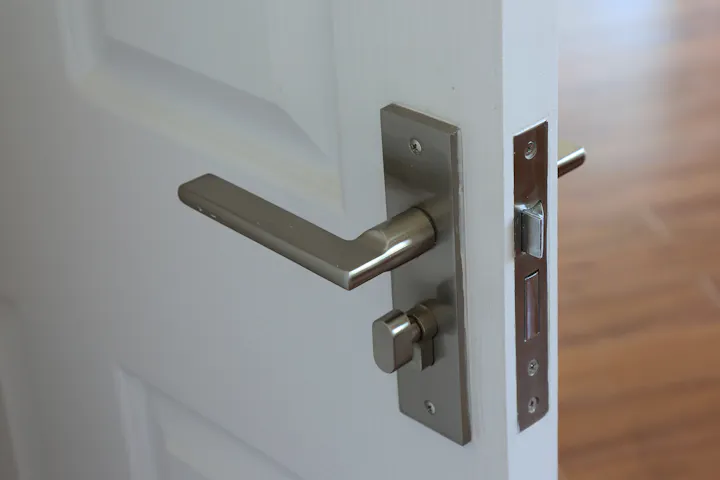
Properly functioning door locks are essential for maximising safety and privacy. Heavy-duty locks that can’t be easily forced or picked, or modern smart locks with advanced access control features, ensure security in residential and commercial properties. Good locks also play a part in energy efficiency, as keeping doors properly sealed prevents draughts and heat loss, therefore improving comfort. Visible heavy-duty locks are also likely to deter burglars who are looking for an easy property to gain access to.
Maintenance guide for door locks
For door locks to function effectively they must be properly maintained. Clean cylinders to remove dirt and debris, then lubricate using suitable products such as graphite for uPVC doors, or light oil for locks fitted to timber or metal doors. Check strike plates and alignment to ensure proper latching and smooth operation. If you notice failure when locking or latching, excessive damage, or the key sticking, then a replacement lock is likely to be necessary. Door set considerations for uPVC, timber, and metal doors will vary, so using compatible locks and hardware for the specific door type is essential to prioritise security. For more guidance on whether to replace or rekey a door lock, read our helpful tips and tricks to ensure safety isn’t compromised.
The importance of robust door closers
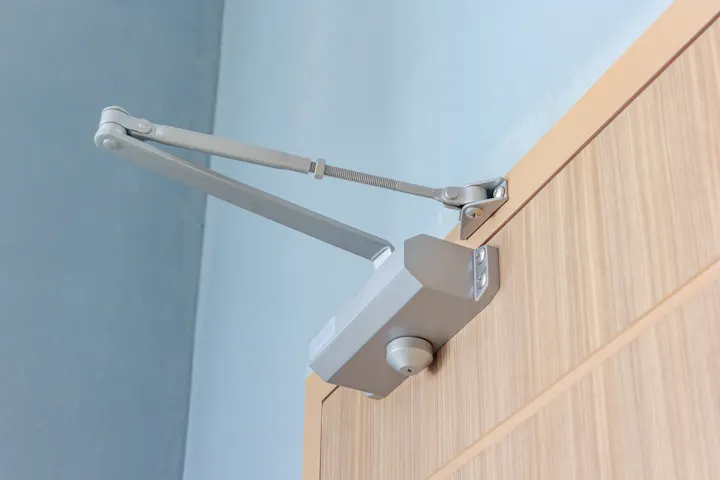
Door closers prevent slamming and reduce wear on doors and frames, ensuring controlled, safe closing. Properly functioning door closers play a huge role in fire safety, accessibility, and controlled door movement. With overhead and concealed closers available, they’re a practical addition for different door weights and high-traffic and commercial settings. Supporting accessibility and maintaining door integrity, door closers are key for performance and compliance.
Maintenance guide for door closers
Proper maintenance of door closers will ensure they’re functioning effectively and safely. Look out for signs of wear or issues, including slamming, slow closing, and failure to latch. If maintenance is necessary, clean away dust and debris around the arm and body, and tighten all fixings. Adjusting sweep and latch speed will improve door control, and lubricating moving parts will ensure smooth movement. If you’re unsure whether to replace or repair door closers, look out for hydraulic leakage, a broken arm or mounting plate, and excessive corrosion. These are all signs of wear and mean a replacement door closer is needed. Fire door closers must be properly checked, maintained, and certified to ensure they close fully, and concealed door closers will require more precise alignment checks.
Common signs of failing door hardware
It’s important to be aware of the signs of failing door hardware so you know when to perform maintenance or make a repair. Look out for squeaking noises when opening and closing your door, as well as slow movement, slamming, or uneven closing. These are often signs that your door closer is in need of maintenance. If the door is misaligned, this can cause rubbing on the floor or frame and lead to increased wear on the door and hardware. Wear on hinges, locks, and closers, as well as loose handles and fixings, are all signs that door hardware needs to be repaired or replaced. Stiff door movement indicates hinge or closer strain, and oil leakage from door closers is a sign of internal failure. Difficulty locking or unlocking your doors can compromise security and should be addressed promptly to restore safety. By looking out for these common signs, you can identify failing door hardware early and make timely repairs or upgrades before security, safety, and compliance is compromised.
Discover premium door hardware at IronmongeryDirect
You’re now aware of the importance of properly functioning hinges, locks, and closers, and the effectiveness of regular door maintenance. All that’s left to do now is to complete the necessary checks and repairs to extend your door hardware's lifespan. Explore high-performance hinges, locks, and closers at IronmongeryDirect today, with fire-rated options available to ensure safety and dependable performance.
FAQs
Do door hinges need to be lubricated?
Regularly lubricating door hinges will enable them to operate smoothly and stop them from sticking. Neglecting hinges can result in dirt build-up inside the hinges, so we recommend using a silicone-based lubricant for smooth hinge performance.
How do I get my door hinges to stop squeaking?
To get your door hinges to stop squeaking use a silicone-based lubricant to ensure smooth and quiet movement. This will stop the squeaking sound, enhancing comfort and smooth hinge performance.
How do you maintain a lock?
To maintain a lock, clean cylinders to remove dirt, check strike plates and alignment, and lubricate moving parts. Taking this action will ensure your lock functions smoothly, maintaining safety and security in your property.
Is silicone spray or WD-40 better for locks?
Silicone spray is a better alternative than WD-40 for locks. WD-40 is not a long-term lubricant, whereas silicone spray effectively lubricates your locks, restoring proper functionality.
What is the common problem of a door closer?
Common door closer problems include slamming and slow closing. Failing to latch is also a sign that a door closer needs to be properly maintained or replaced to function correctly.
How to maintain a door closer?
Maintaining a door closer involves regularly cleaning dirt and debris, tightening its fixings, and lubricating moving parts. This will ensure your door closer works effectively, maintaining safety and smooth operation